BSH 2022 | Emerging strategies for the management of relapsed AML
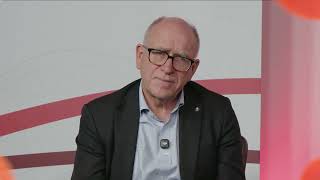
Despite significant improvements in the management of patients with newly diagnosed acute myeloid leukemia (AML), many patients still relapse. In this video, Charles Craddock, CBE, FRCP, FRCPath, DPhil, University of Birmingham, Birmingham, UK, comments on strategies to both prevent and manage relapse post-transplant in AML. Prof. Craddock first notes the progress in FLT3+ AML, where a recent study has demonstrated the benefit of gilteritinib over intensive salvage chemotherapy. In addition, new venetoclax-based regimens are showing promising results. Prof. Craddock then talks on two studies exploring the best conditioning regimens and maintenance strategies post-transplant. He also highlights data showing that sorafenib maintenance is associated with a better survival in patients with FLT3+ AML, and mentions the importance of employing new therapies to manage patients who relapse after transplantation. Finally, Prof. Craddock emphasizes the importance of conducting molecular analyses and translational studies to better understand the molecular basis of relapse. This interview took place at the 62nd Annual Scientific Meeting of the British Society for Haematology (BSH) 2022, in Manchester, UK.