The Lymphoma Channel is supported with funding from AstraZeneca (Diamond), BMS (Gold), Johnson & Johnson (Gold), Takeda (Silver) and Galapagos (Bronze).
VJHemOnc is an independent medical education platform. Supporters, including channel supporters, have no influence over the production of content. The levels of sponsorship listed are reflective of the amount of funding given to support the channel.
ASH 2021 | CITADEL-203: Parsaclisib in follicular lymphoma
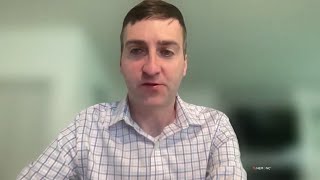
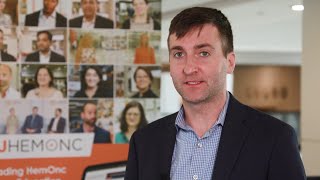
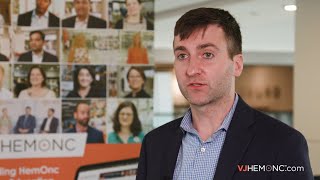
Ryan Lynch, MD, Seattle Cancer Care Alliance, University of Washington, Seattle, WA, presents results from the Phase II CITADEL-203 trial (NCT03126019) of parsaclisib, a phosphatidylinositol 3-kinase (PI3K)δ inhibitor, in patients with relapsed/refractory follicular lymphoma (FL). Patients initially received the full dose of parsaclisib (20mg) for eight weeks, followed by 2.5 mg of parsaclisib indefinitely. Patients reported a rapid response and a promising safety profile, with diarrhea and colitis being the main adverse events. This interview took place at the 63rd ASH Annual Meeting and Exposition congress in Atlanta, GA.
Transcript
So this is an oral PI3Kδ inhibitor, which had a novel study design giving the full dose of the drug for eight weeks at 20 milligrams and then a reduced dose of 2.5 daily for indefinitely until toxicity or progression. And this is highly active in relapsed/refractory follicular lymphoma patients with high overall response rate and it was rapid onset with the majority of the responses being seen by the first response assessment...
So this is an oral PI3Kδ inhibitor, which had a novel study design giving the full dose of the drug for eight weeks at 20 milligrams and then a reduced dose of 2.5 daily for indefinitely until toxicity or progression. And this is highly active in relapsed/refractory follicular lymphoma patients with high overall response rate and it was rapid onset with the majority of the responses being seen by the first response assessment. We did see some diarrhea and colitis later on and this has been known with this class of drugs, but they were reversible and manageable in the majority of patients.
Read more...


Disclosures
Research Funding: Seagen Inc., Rapt, Cyteir, Incyte, Genentech, Bayer, TG Therapeutics, Merck
Consultancy: Cancer Study Group, SeaGen, Foresight Diagnostics, Abbvie