The Community Focus Channel is supported with funding from Johnson & Johnson (Gold).
VJHemOnc is an independent medical education platform. Supporters, including channel supporters, have no influence over the production of content. The levels of sponsorship listed are reflective of the amount of funding given to support the channel.
ASH 2025 | Strategies to enhance patient education and support for transplant and CAR-T therapies
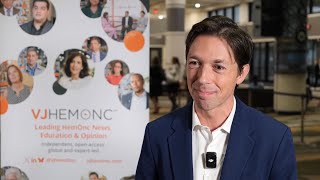
Rohan Halder, MBBS, MD, DM, PDCC, Rajiv Gandhi Cancer Institute, Delhi, India, discusses the strategies his center uses for patient education and engagement, particularly for complex therapies like transplant or CAR-T, which involve regular educational sessions, personal counseling, and the use of multidisciplinary teams to explain procedures in the patient’s preferred language. Dr Halder highlights the importance of involving nursing teams, patient support groups, and community sources to provide emotional support and facilitate patient understanding of therapy progress. This interview took place at the 67th ASH Annual Meeting and Exposition, held in Orlando, FL.
These works are owned by Magdalen Medical Publishing (MMP) and are protected by copyright laws and treaties around the world. All rights are reserved.
Transcript
While discussing complex treatments like bone marrow transplant or cortisone therapy, it involves a lot of regular educational sessions and personal counseling. A lot of the material is, although written in English, a lot of patients are explained in the language they best understand. We use a lot of multidisciplinary teams to explain procedures. Our nursing team is very closely involved...
While discussing complex treatments like bone marrow transplant or cortisone therapy, it involves a lot of regular educational sessions and personal counseling. A lot of the material is, although written in English, a lot of patients are explained in the language they best understand. We use a lot of multidisciplinary teams to explain procedures. Our nursing team is very closely involved. Our BMT nurses are very closely involved in the care of the patients and they are involved right from the time they are being counseled for transplant. We also take help from patient support groups and from community sources to encourage patients and families to share their experiences and we ask them to seek emotional support during and after therapy. They take part in our weekly rounds and they are updated from time to time in the patient’s progress and we help them understand how the therapy works, how the therapy is progressing and they are given time to ask questions in real time. We also involve our psychological counseling team, our physiotherapists and also we do take help in seeking help for rehabilitation of these patients post-therapy, which will help them support their long-term recovery. We use a lot of materials which are used and adapted to the local language and the cultural context of our country, which makes sure the patient understands better and ensures compliance of the patient, especially for patients who are living in rural areas or outside the cities. We also collaborate with a lot of national and international institutions to take help from them, which ensures that the patients receive up-to-date guidance, especially with regards to evolving therapies like CAR-T cell therapy, which has been around for about one and a half, two years in India.
This transcript is AI-generated. While we strive for accuracy, please verify this copy with the video.
Read more...