Educational content on VJHemOnc is intended for healthcare professionals only. By visiting this website and accessing this information you confirm that you are a healthcare professional.


The 6th International Workshop on Acute Leukemias (iwAL) took place on 13-15 September, 2024, in Phoenix, AZ, and brought together the world’s leading clinicians and researchers in acute leukemias to discuss the latest updates in the field. Enduring Content from iwAL 2024 has been supported by: Astellas, Genentech, AbbVie, Kura Oncology, Stemline, Sumitomo Pharma, Syndax and Sanofi.

iwAL 2024

The 6th International Workshop on Acute Leukemias
13–15 September 2024 | Phoenix, AZ

iwAL 2024

The 6th International Workshop on Acute Leukemias
13–15 September 2024 | Phoenix, AZ
The 6th International Workshop on Acute Leukemias (iwAL) took place on 13-15 September, 2024, in Phoenix, AZ, and brought together the world’s leading clinicians and researchers in acute leukemias to discuss the latest updates in the field. Enduring Content from iwAL 2024 has been supported by: Astellas, Genentech, AbbVie, Kura Oncology, Stemline, Sumitomo Pharma, Syndax and Sanofi.

Session 1: Updates on established therapies in AML – Part 1

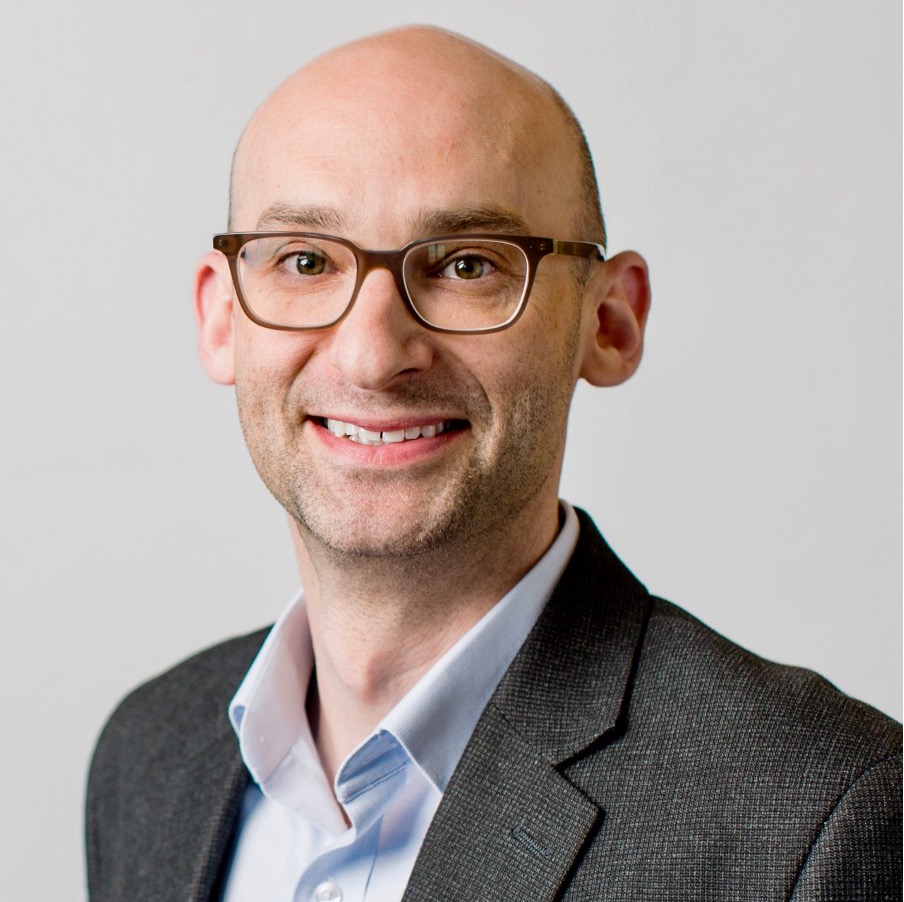
Tapan Kadia
IC+VEN in newly diagnosed fit AML – current status and patient selection
Tapan Kadia The University of Texas MD Anderson Cancer Center, Houston, TX, United States
Charles Craddock
Optimizing transplant outcomes in AML and role of maintenance post-ASCT
Charles Craddock University of Birmingham, Birmingham, United Kingdom
Maximilian Stahl
Role and optimal maintenance strategies in AML patients not going to ASCT
Maximilian Stahl Yale Cancer Center, New Haven, CT, United States

Session 2: Translational and lab developments 

Ravi Majeti
Antigen targets and novel CAR-T strategies
Ravi Majeti Stanford University School of Medicine, Stanford, CA, United States
Uma Borate
Potential for early intervention in CHIP and CCUS
Uma Borate Ohio State University, Columbus, OH, United States
Adrián Mosquera Orgueira
Designing and applying a FLT3-like signature in AML
Adrián Mosquera Orgueira University Hospital of Santiago de Compostela, Santiago de Compostela, Spain
Ann-Kathrin Eisfeld
Ancestry-inclusive consideration of AML genomics
Ann-Kathrin Eisfeld The Ohio State University, Columbus, OH, United States
Coming soon
Koichi Takahashi
Approaches to leverage single-cell sequencing in understanding AML biology & response to therapy
Koichi Takahashi The University of Texas MD Anderson Cancer Center, Houston, TX, United States
Coming soon

Session 3: Established therapies – Part 2 

Jorge  Cortes
Optimal approach to the treatment of secondary/therapy related AML
Jorge Cortes Georgia Cancer Center, Augusta University, Augusta, GA, United States
Courtney DiNardo
How does IDHm impact frontline treatment of AML?
Courtney DiNardo The University of Texas MD Anderson Cancer Center, Houston, TX, United States
Coming soon
Naval Daver
Frontline approaches for FLT3-mutant AML
Naval Daver The University of Texas MD Anderson Cancer Center, Houston, TX, United States
Alexander  Perl
Current approaches and challenges for relapsed FLT3-mutant AML
Alexander Perl University of Pennsylvania, Philadelphia, PA, United States

Session 4: International trials group

Charles Craddock
UK & European trials
Charles Craddock University of Birmingham, Birmingham, United Kingdom
Stéphane  de Botton
French trials
Stéphane de Botton Gustave Roussy, Paris, France
Richard  Little
MyeloMATCH
Richard Little National Cancer Institute, Rockville, MD, United States
Coming soon

Session 5: Debate – Less intensive therapy should be used in all older newly diagnosed AML patients even if fit for intensive chemotherapy
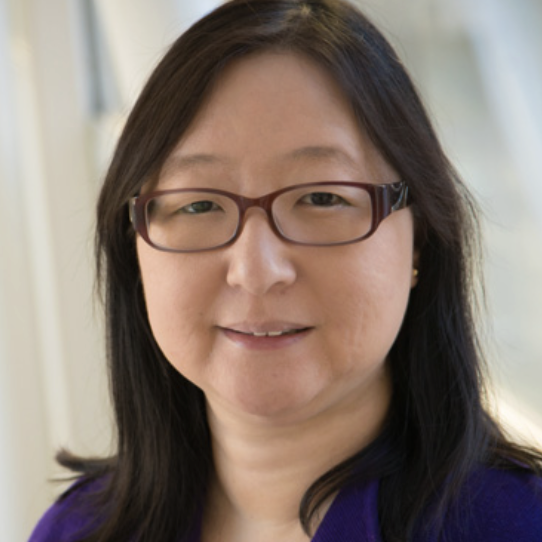
Eunice  Wang
Pro
Eunice Wang Roswell Park Comprehensive Cancer Center, Buffalo, NY, United States
Tapan Kadia
Pro
Tapan Kadia The University of Texas MD Anderson Cancer Center, Houston, TX, United States
Harry  Erba
Con
Harry Erba Duke Cancer Institute, Durham, NC, United States
Stéphane  de Botton
Con
Stéphane de Botton Gustave Roussy, Paris, France

Session 6: New frontiers in MRD for AML clinical practice

Catherine Smith
Single-cell sequencing and clinical applicability in detection and therapy of AML
Catherine Smith University of California, San Francisco, San Francisco, CA, United States
Coming soon
Nicholas Short
MRD as an endpoint in clinical trials
Nicholas Short The University of Texas MD Anderson Cancer Center, Houston, TX, United States
Christopher  Hourigan
Applying MRD techniques in FLT3-mutated AML – are we able to use MRD as an endpoint?
Christopher Hourigan Virginia Tech FBRI Cancer Research Center, Washington D.C, United States

Session 7: BPDCN & MDS/MPN + CMML
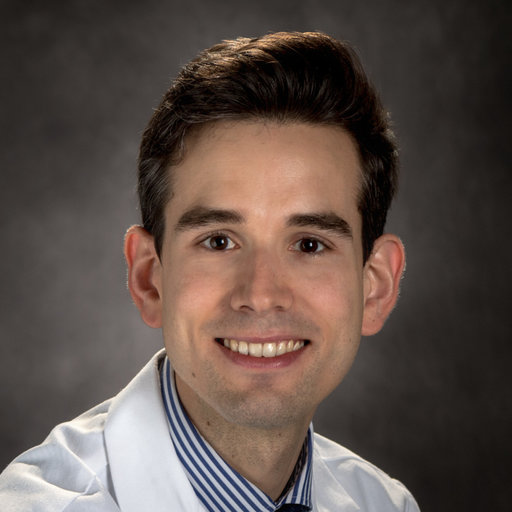
Marina Konopleva
Updates on diagnosis, pathogenesis, and future directions in BPDCN
Marina Konopleva Albert Einstein College of Medicine, New York City, NY, United States
Emma Groarke
VEXAS syndrome
Emma Groarke The National Heart, Lung, and Blood Institute, DC, WA, United States
Coming soon
Guillermo Montalban-Bravo
Future targets and trial progress in CMML
Guillermo Montalban-Bravo The University of Texas MD Anderson Cancer Center, Houston, TX, United States
Anand Patel
AP/BP MPN to post-MPN AML
Anand Patel UChicago Medicine, Chicago, IL, United States

Session 8: Special session on regulatory endpoints in AML

Kelly Norsworthy
The FDA’s perspective on regulatory endpoints in AML
Kelly Norsworthy Johns Hopkins Medicine, Baltimore, MD, United States
Gail Roboz
A clinical investigator’s perspective on drug development and endpoints
Gail Roboz Weill Medical College of Cornell University, New York City, NY, United States
Coming soon

Session 9: Menin inhibition

Eunice  Wang
Single-agent menin inhibitors – efficacy, biomarkers and resistance
Eunice Wang Roswell Park Comprehensive Cancer Center, Buffalo, NY, United States
Ghayas Issa
Updates on menin inhibitor-based combinations in AML
Ghayas Issa The University of Texas MD Anderson Cancer Center, Houston, TX, United States
Joshua Zeidner
Frontline triplets with menin inhibitors in newly diagnosed AML – ready for primetime?
Joshua Zeidner UNC Lineberger Comprehensive Cancer Center, Chapel Hill, NY, United States

Session 10: Novel targets, combinations and treatments in AML Part 1 – new AML therapies and limitations

Marina Konopleva
Overcoming resistance to venetoclax-based therapies in AML
Marina Konopleva Albert Einstein College of Medicine, New York City, NY, United States
Thomas  Cluzeau
Promising combination options with AZA/VEN for R/R AML
Thomas Cluzeau Central University Hospital of Nice, France

Session 11: Novel targets, combinations and treatments in AML -Part 2

David Sallman
TP53 treatment strategies in AML – how do we crack this nut?
David Sallman H. Lee Moffitt Cancer Center & Research Institute, Tampa, FL, United States
Gabriel Mannis
Tuspetinib for relapsed/refractory AML
Gabriel Mannis Stanford University School of Medicine, Stanford, CA, United States
Geoffrey Uy
Protein degradation as an emerging therapy in AML/leukemia
Geoffrey Uy Washington University in St. Louis, St. Louis, MO, United States

Session 12: Novel targets, combinations and treatments in AML -Part 3

Sanam Loghavi
Optimal use of OGM and RNA-translocation panel in frontline AML
Sanam Loghavi The University of Texas MD Anderson Cancer Center, Houston, TX, United States
Farhad  Ravandi
Novel ADCs in AML – how best to incorporate and use them
Farhad Ravandi The University of Texas MD Anderson Cancer Center, Houston, TX, United States
Andrew Wei
Leveraging STING for therapeutic benefit in AML
Andrew Wei Alfred Hospital and Monash University, Melbourne, Australia
Coming soon

Enduring Content from iwAL 2024 has been supported by: